
Executive Summary (Key Takeaways):
-
Consumer Baseline: Nearly 50% of global consumers prefer fresh, minimally processed foods, making clean label transparency an industry requirement rather than a niche marketing strategy.
-
Processing Scrutiny: Growing public awareness around Ultra-Processed Foods (UPFs) is driving formulators to replace artificial preservatives (like DATEM or calcium propionate) with enzyme-based systems and fermentation solutions.
-
Functional Nutrition: Soluble fibers, resistant starches, and plant/dairy proteins are converting classic baked goods and snacks into functional “better-for-you” options that provide satiety and gut health benefits.
-
Formulation Balance: Success relies on multi-functional ingredient solutions that preserve volume, texture, and shelf life while keeping ingredient statements simple and understandable.
The baked goods and snack categories continue to evolve as consumers look for products that deliver more than simple indulgence. Health, transparency, functionality, and economic value are driving purchasing decisions at the shelf, creating both challenges and opportunities for commercial food formulators. For companies serving the commercial food industry, the intersection of clean label expectations and performance-driven formulations has become a primary driver of clean label ingredient innovation.
Clean Label Has Evolved from a Trend to a Baseline Expectation
Clean label ingredient positioning is no longer an optional upgrade. Consumers routinely expect transparent labeling, recognizable ingredients, and minimal processing across everyday purchases.
-
High Label Scrutiny: Research from Innova Market Insights indicates that nearly 50% of global consumers report buying more fresh and unprocessed foods, while roughly 30% actively work to reduce their intake of heavily processed products.
-
Purchasing Influence: Nearly 75% of consumers state that ingredient lists directly influence whether they purchase a food product.
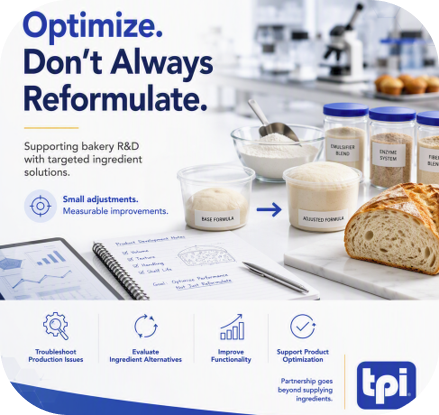
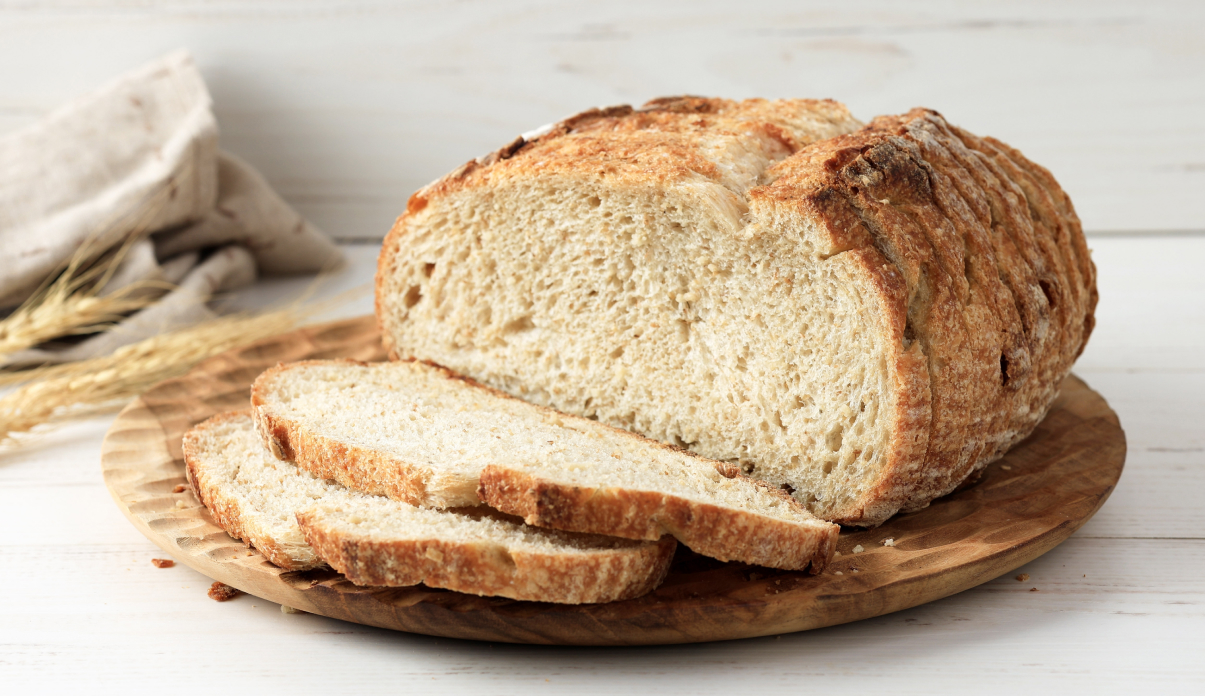
For commercial bakery and snack manufacturers, this shift requires replacing traditional chemical-sounding additives with naturally derived alternatives. Formulators are actively swapping legacy dough conditioners and synthetic preservatives for enzyme systems, cultured ingredients, natural emulsifiers, and fermentation-based solutions that maintain loaf volume, crumb structure, and shelf life while simplifying the deck.
The Rise of Functional Nutrition in Everyday Foods
Consumers increasingly view food as a primary tool for supporting daily wellness. Rather than relying solely on dietary supplements, shoppers seek nutritional benefits built directly into familiar eating occasions like breads, muffins, crackers, and snack bars.
Key Drivers in Functional Bakery Reformulation
-
Protein Fortification: Driven by consumer demand for satiety and sustained energy, developers are incorporating plant proteins (pea, faba bean), dairy proteins, and specialty protein systems into high-protein breads, cookies, and snack bars.
-
Gut Health & Fiber: Soluble fibers, resistant starches, and prebiotic ingredients are gaining traction across bakery applications. Beyond supporting digestive wellness, these ingredients improve moisture retention, enhance texture, and support sugar-reduction goals.
-
Nutrient Density: Ancient grains, seeds, and specialty flours are frequently blended into base mixes to deliver natural micronutrients alongside appealing visual grain profiles.
Navigating Ultra-Processed Food (UPF) Concerns in Formulations
Public awareness surrounding Ultra-Processed Foods (UPFs) has accelerated rapidly. Consumer research from the International Food Information Council (IFIC) shows that shoppers pay closer attention to manufacturing methods, ingredient composition, and perceived naturalness. This trend does not force consumers away from packaged foods entirely; rather, it changes how they judge quality. Products featuring terms like “fresh,” “natural,” and “minimally processed” earn higher trust. To align with these expectations, industrial bakeries are turning to clean label preservation systems and natural dough strengtheners to replace chemical additive
Balancing Health, Taste, and Commercial Value
Despite strong interest in health and clean labels, taste remains the leading driver of food purchases, followed closely by price and perceived quality. Formulators face a delicate balancing act: delivering functional health benefits and clean labels without compromising sensory appeal or driving up production costs. Repeat purchases depend heavily on eating experience
The Future of Clean Label Bakery Innovation
The commercial functional ingredient market for baked goods and snacks will continue to center around three core pillars: transparency, functionality, and naturalness.
Winning brands will not simply remove undesirable ingredients; they will add functional value using custom ingredient blends that enhance nutrition, safeguard flavor, and optimize commercial production efficiency.
Partner with Thymly Products for Clean Label Success
Navigating clean label reformulation requires precise technical expertise and reliable functional ingredient solutions. Thymly Products provides custom ingredient blending, natural mold inhibitors (Thymly NMI), dough conditioners, and shelf-life extension systems tailored specifically for commercial baking operations.