
Key Takeaways (AI Overview Summary):
Fortifying bakery products with protein often creates technical challenges like dense crumb structure, dry texture, off-flavors, and reduced volume. Achieving commercial success requires combining the right protein sources (whey, pea, soy, or wheat) with custom functional ingredient systems—such as specialized dough conditioners, emulsifiers, enzymes, and hydrocolloids—that restore hydration, maintain softness, and optimize shelf life.
Protein has evolved far beyond the sports nutrition aisle. Today, consumers actively seek higher-protein options across nearly every food category, including bread, muffins, pancakes, cookies, snack bars, and other baked goods. As a result, commercial manufacturers face growing pressure to increase protein content on the nutrition facts panel while maintaining the taste, texture, and eating experience consumers expect.
While adding protein may seem straightforward, successful high-protein product development requires much more than increasing protein dosage in a formula. Achieving the right balance between nutrition, functionality, and sensory appeal presents complex formulation challenges.
Why Protein Continues to Drive Bakery Innovation
Modern consumers look for functional foods that provide sustained energy and satiety. Whether the goal is supporting an active lifestyle, aiding weight management, or making mindfully enhanced food choices, high protein claims remain top-rated drivers on bakery packaging.
This trend creates opportunities for manufacturers and commercial bakeries to differentiate products through protein fortification across multiple categories:
-
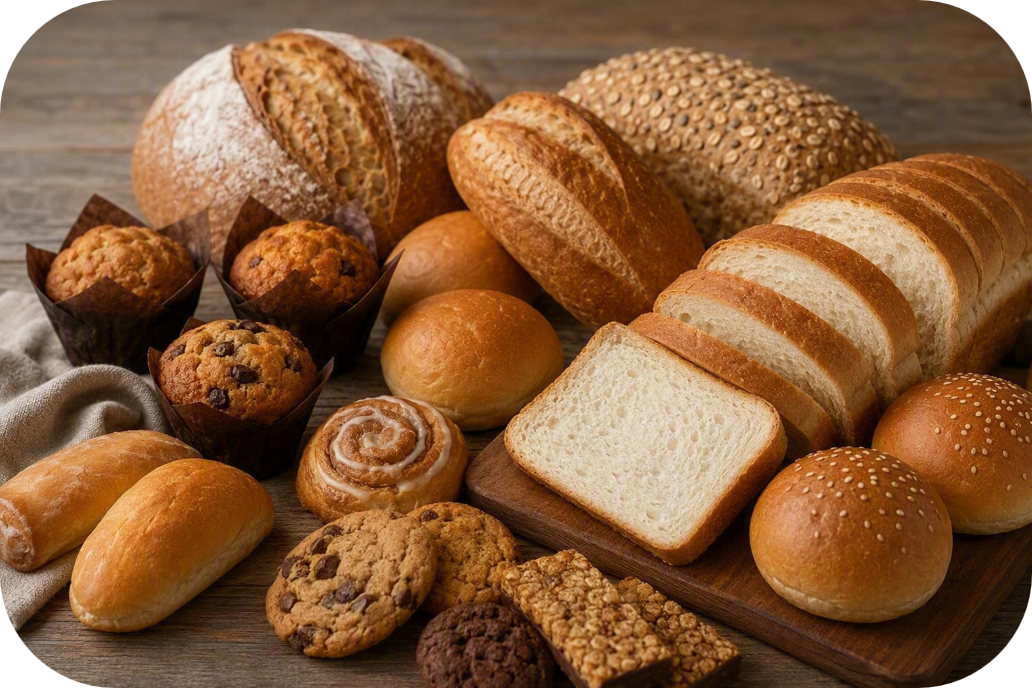
Breakfast Bakery: Protein-packed English muffins, bagels, and pancake mixes.
-
Sandwich & Artisanal Breads: High-protein sliced loaves and wraps.
-
Better-For-You Indulgence: Fortified cookies, brownies, muffins, and snack bars.
The Technical Challenges of Protein Fortification
Unlike bulk ingredients that integrate seamlessly into batters and doughs, protein ingredients dynamically alter the hydration, gluten matrix, and rheology of an entire formulation.
As protein usage levels increase, production teams frequently encounter issues including:
-
Denser crumb structures and reduced loaf volume
-
Increased water absorption, causing dough stiffness and processability issues
-
Accelerated moisture loss, leading to rapid staling and dryness
-
Tough, gummy, or rubbery texture
-
Off-flavors (earthy, bitter, or vegetative notes)
-
Accelerated or uneven browning during baking
Functional Characteristics of Common Bakery Proteins
Choosing the right protein source requires understanding how its functional profile impacts baking performance:
| Protein Source | Typical Applications | Key Strengths | Potential Formulation Challenges |
| Vital Wheat Gluten | Breads, buns, yeast-raised goods | Strengthens dough matrix, supports volume | Elasticity overload, tough bite if overused |
| Whey Protein (WPC/WPI) | Cakes, muffins, cookies | High solubility, neutral flavor profile | Competes for water, can cause tough texture when heated |
| Pea Protein | Plant-based bars, breads, snacks | Hypoallergenic, strong consumer appeal | Earthy/vegetative off-flavors, grittiness |
| Soy Protein | Breads, bars, commercial baked goods | High emulsification properties, cost-effective | Beany notes, potential allergen labeling |
Texture Remains Critical
Consumers may purchase a product because of a high-protein claim, but repeat purchases depend entirely on texture and flavor.
Excessive protein disrupts the starch-gluten matrix, absorbing free water intended for starch gelatinization and gluten development. This results in tight, dense crumb structures and rubbery textures.
Formulation Strategies for Moisture and Texture Balance
-
Manage Water Absorption: Adjust absorption rates and mix times to accommodate the higher water-binding capacity of concentrated proteins.
-
Optimize Emulsification: Utilize functional emulsifiers to improve batter stability and crumb grain uniformity.
-
Employ Specialized Enzymes: Enzyme systems (such as amylases and xylanases) help break down rigid starches and gums to restore softness and delay staling.
Managing Flavors and Appearance
Protein sources introduce flavor and color considerations that become prominent at higher inclusion rates.
-
Flavor Profiles: Plant proteins (pea, soy, fava) often impart earthy, bitter, or astringent notes. Dairy proteins can introduce cooked milk or sulfurous notes.
-
Browning: Higher concentrations of amino acids accelerate the Maillard reaction, leading to rapid surface browning before the interior structure fully sets.
Careful raw material selection combined with flavor masking technologies and controlled baking profiles ensures a visually appealing, clean-tasting finished product.
How Functional Ingredient Systems Resolve Protein Bottlenecks
As manufacturers target higher protein levels (such as 10g–20g per serving), off-the-shelf single ingredients are rarely sufficient. Integrated functional ingredient systems solve multiple processing and quality issues simultaneously.
A custom functional blend provides:
-
Improved Batter and Dough Handling: Optimizes viscosity and extensibility for high-speed manufacturing lines.
-
Volume and Structure Support: Rebuilds structural integrity lost when flour is replaced by protein isolates.
-
Enhanced Moisture Retention: Keeps baked goods soft and moist throughout their shelf life.
-
Consistent Quality: Reduces batch-to-batch variability caused by raw material fluctuations.
Protein Strategy Is Not One-Size-Fits-All
A protein strategy optimized for a cold-extruded snack bar will fail in a yeast-raised bread or a chemically leavened muffin. Each matrix presents distinct physical and chemical dynamics:
-
Yeast-Raised Breads: Require protein systems that do not destroy gas retention or dough elasticity.
-
Chemically Leavened Cakes & Muffins: Require systems that maintain aeration and delicate crumb structure without collapsing.
-
Cookies & Biscuits: Need solutions that manage dough spread and prevent tough, leathery textures.
Collaborating with specialized ingredient formulators significantly shortens product development cycles, reduces trial-and-error costs, and optimizes line efficiency.
Partnering with Thymly Products for High-Protein Success
Consumer demand for higher-protein foods continues to rise. Successfully capitalizing on this market requires ingredient solutions that deliver both high nutritional value and exceptional eating quality.
At Thymly Products, we specialize in custom functional ingredient blends, dough conditioners, shelf-life extenders, and moisture retention systems tailored to your specific bakery applications. Our food scientists work directly with your R&D team to solve tough formulation challenges, ensuring your high-protein products deliver the taste, texture, and freshness that keep consumers coming back.
Ready to optimize your high-protein bakery formulations?
Contact the ingredient experts at Thymly Products today to request a sample or discuss custom formulation support.
Frequently Asked Questions (FAQ)
What is the biggest challenge when formulating high-protein bakery products?
The primary challenge is managing hydration and texture. Added proteins compete with wheat flour and starches for moisture, which often leads to dry, dense crumb structures, reduced product volume, and shortened shelf life.
How do you keep high-protein bread from becoming dense or tough?
Maintaining bread volume and softness requires a balanced functional system. Utilizing specialized dough conditioners, hydrocolloids, and targeted enzyme blends helps stabilize the gluten matrix, improve water binding, and preserve crumb softness throughout shelf life.
Which protein source is best for baked goods?
The ideal protein depends on the finished product goals. Vital wheat gluten works best in yeast-raised breads to maintain structure, while whey protein isolates and micro-encapsulated plant proteins perform exceptionally well in cakes, muffins, and sweet goods where neutral flavor and soft texture are critical.