

The role of protein in the modern diet is undergoing a massive structural shift. What was once a niche macronutrient associated primarily with athletes, bodybuilders, and chalky meal-replacement shakes is now a daily priority for the mainstream consumer.
Two major forces are driving this market transformation: the rapid medical adoption of GLP-1 receptor agonists and the evolution of the “better-for-you” (BFY) food movement. Together, these trends are forcing food manufacturers and commercial bakeries to rethink product high-protein formulation from the ground up.
The GLP-1 Effect: A New Nutritional Mindset
GLP-1 medications, increasingly used for weight management and metabolic health, are having a profound influence on eating habits. These medications often suppress appetite, leading consumers to eat less overall. As a result, every bite becomes more important. Instead of focusing on quantity, individuals are prioritizing nutrient density—seeking foods that deliver maximum nutritional value in smaller portions.
Protein plays a critical role in this equation. It is essential for maintaining muscle mass, supporting metabolic health, and providing satiety. For individuals on GLP-1 therapies, ensuring adequate protein intake is not just a preference—it becomes a necessity. With reduced caloric intake, there is a heightened awareness of getting enough protein to maintain strength, energy, and overall wellness.
This shift is extending beyond those directly using GLP-1 medications. It is influencing broader consumer behavior, as conversations around portion control, weight management, and nutrient optimization enter the mainstream. In effect, GLP-1 medications are accelerating a mindset where quality matters more than quantity—and protein is central to that quality.
The Evolution of “Better-for-You” Clean-Label Functional Baking
The BFY movement has graduated from simple subtraction to intentional addition. Consumers are no longer satisfied with “less bad” products that boast reduced sugar, fat, or calories. Instead, they demand positive nutrition—functional foods that actively contribute to their wellness goals.
Protein has emerged as the ultimate functional ingredient because its benefits are easily understood: sustained energy, muscle maintenance, and prolonged fullness. However, fortifying baked goods and snacks with high concentrations of protein introduces distinct manufacturing challenges:
-
Gluten Network Disruption: Adding alternative plant or dairy proteins disrupts the natural starch-gluten matrix of dough, often leading to a loss of cell structure and reduced volume.
-
Moisture Migration: High-protein formulations aggressively bind water, causing rapid staling, retrogradation, and unappealing dryness over shelf life.
To capture this market, commercial brands cannot compromise on the eating experience. Taste and mouthfeel remain the primary drivers of repeat purchases.
Beyond the Gym: Protein Moves into Everyday Eating
Historically, high-protein foods were largely confined to specific categories: meat, dairy, protein bars, and shakes. Today, that boundary is disappearing. Consumers are seeking protein across their entire diet—from breakfast to snacks to dessert.
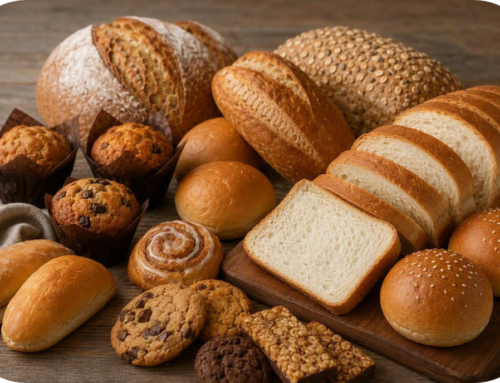
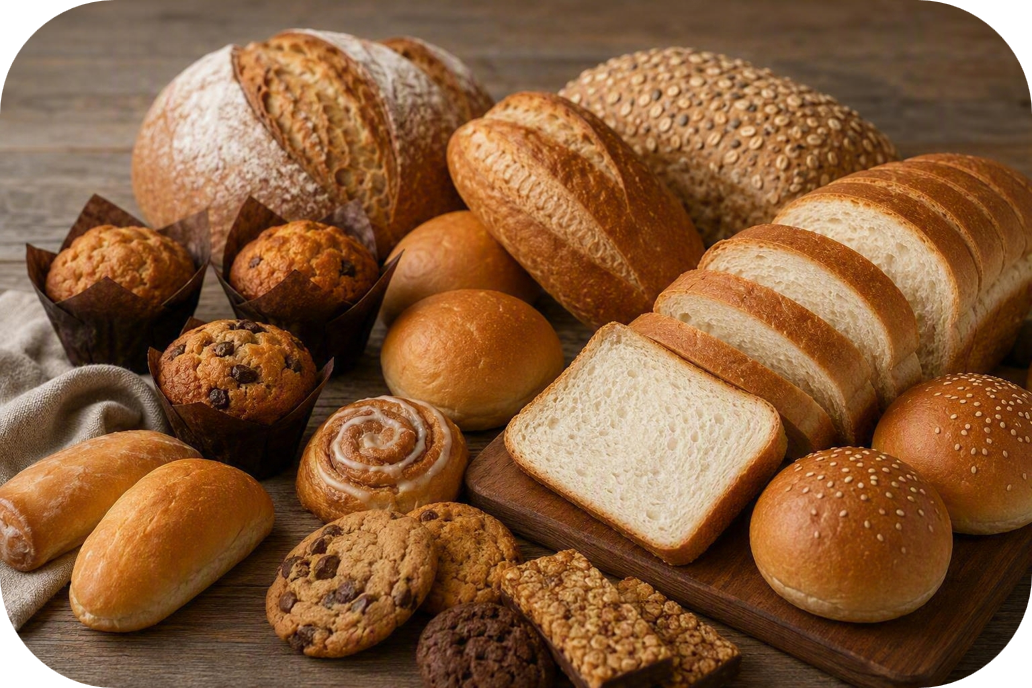
This shift is especially noticeable in the indulgent food space. Consumers no longer view indulgence and nutrition as mutually exclusive. Instead, they are looking for ways to enjoy the foods they love while still aligning with their health goals. This has fueled demand for protein-enhanced versions of traditionally indulgent products—think baked goods, cookies, ice cream, pastries, and snack foods.
In this context, protein becomes a way to “justify” indulgence. A cookie with added protein feels more permissible than a traditional one. Ice cream with a protein claim can be positioned as both satisfying and functional. This blending of indulgence and nutrition is redefining entire categories.
The High-Protein Formulation Challenge
Meeting this demand, however, is not simple. Incorporating higher levels of protein into indulgent foods presents technical challenges. High-protein formulation ingredients can impact flavor, mouthfeel, and texture—often in ways that are difficult to manage. They can introduce dryness in baked goods, chalkiness in confections, or off-notes in flavor profiles.
At the same time, consumers are unwilling to compromise on sensory experience. Taste remains the top driver of repeat purchases. A product that fails to deliver on flavor or texture will struggle to succeed, regardless of its nutritional benefits.
This creates a delicate balancing act for brands: increasing protein content while maintaining—or even improving—the overall eating experience. It also requires consideration of label appeal, cost, and scalability. Clean labels, recognizable ingredients, and efficient production processes all play a role in successful reformulation.
Meet the Next Generation of Baking Innovation
The convergence of GLP-1 dietary trends, the demand for nutrient density, and the expectation of functional indulgence is setting a new baseline for the food industry. Fortified protein is no longer a premium novelty; it is a market expectation.
The future of food manufacturing isn’t about choosing between strict nutrition and rich indulgence. It is about blending both seamlessly. Success belongs to the brands that leverage advanced formulation techniques to deliver exceptional taste and targeted functional nutrition.
Partner with Thymly Products for High-Protein Excellence
Are you ready to reformulate your product line to meet the needs of the modern, health-conscious consumer using high-protein formulation?
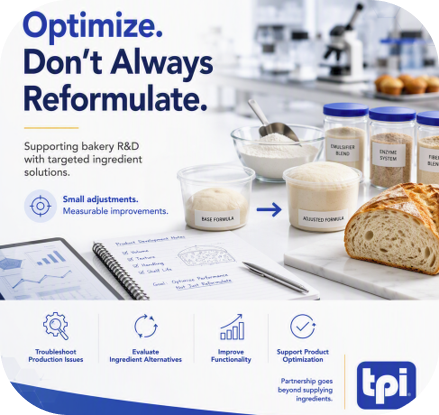
At Thymly Products, we specialize in manufacturing custom functional baking ingredients, clean-label enzyme systems, and tailored dough conditioners designed to solve your toughest protein texturization and flavor challenges.
Contact the formulation experts at Thymly Products today to elevate your product line.