
Fall may feel far off in June, but for brands in the food, beverage, and functional ingredient industries, the autumn buying season has already begun.
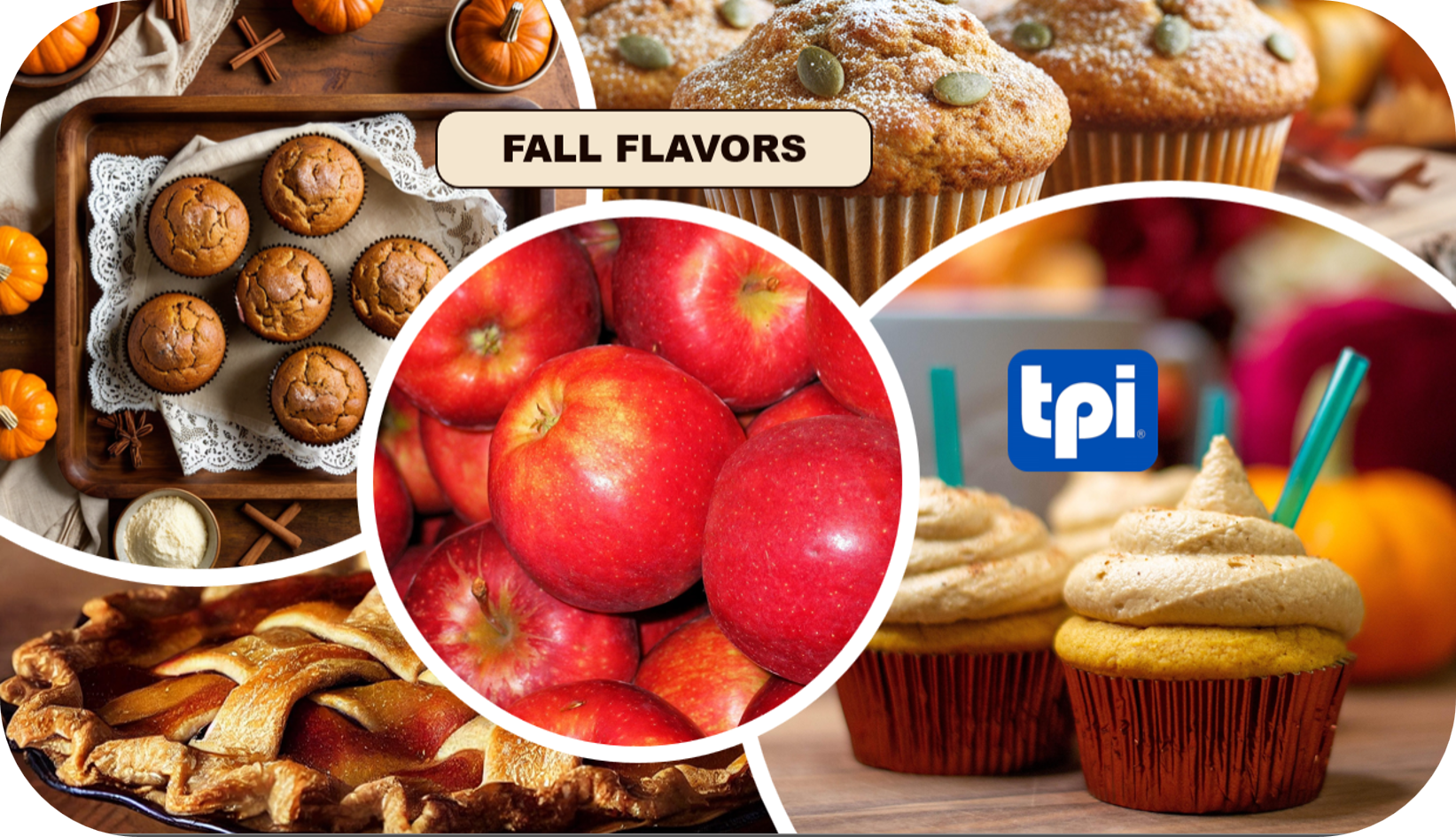
Consumer demand for fall flavors like pumpkin, apple, cinnamon, and maple continues to arrive earlier each year. From coffee launches in mid-August to grocery retail spikes in July, seasonal flavor product lifecycles are accelerating. Food manufacturers and brands that plan their custom ingredient blending ahead of time don’t just keep up—they set the market pace.
The Data Behind the Fall Flavor Surge
Fall flavors are more than a tradition—they’re a powerful business driver.
- The global pumpkin spice category alone is expected to reach $1.1 billion in 2025, with continued strong growth ahead. [cstoredive.com], [newhope.com]
- In the U.S., 1 in 3 consumers (34%) begin buying pumpkin spice products as soon as they hit shelves, often as early as August. [empower.com]
- Seasonal launches are highly effective: 61% of consumers say they actively want to purchase limited-time fall items. [butterballfarms.com]
- Even more compelling, 34% of shoppers report spending more overall during the fall due to seasonal flavors. [cstoredive.com]
Demand is also shifting forward on the calendar:
- Grocery orders for fall ingredients (like pumpkin purée, maple syrup, and spices) begin rising as early as late July. [about.doordash.com]
- Pumpkin spice latte demand has spiked nearly two weeks earlier than in previous years, reflecting earlier consumer engagement. [about.doordash.com]
The Timeline Shift: When Does Fall Product Planning Start?
Supply chain demand is shifting forward significantly on the calendar:
-
July Grocery Surges: Grocery retail orders for dry fall ingredients (such as pumpkin purée, maple syrup, and baking spices) begin rising as early as late July. (DoorDash Market Insights)
-
Accelerated Beverage Windows: Pumpkin spice latte (PSL) consumer demand has spiked nearly two weeks earlier than in previous years, reflecting a rapid shift in consumer engagement. (DoorDash Market Insights)
Key Takeaway for Food Manufacturers: By the time autumn officially arrives, the grocery retail market is already saturated. The real commercial opportunity lies in having scalable production ready before the late-summer consumer surge hits.
Beyond Pumpkin Spice: What Are the Top Fall Flavor Trends?
While classic pumpkin spice remains an iconic staple of autumn food culture, it is no longer the only flavor profile driving volume. Modern product development requires a broader flavor portfolio to combat market saturation.
-
The Pumpkin Core: 54% of Americans look forward to buying pumpkin spice products every single year. (Empower)
-
The Desire for Alternatives: Concurrently, 58% of consumers now state they prefer alternative fall flavor profiles. (Bickford Flavors)
-
Flavor Fatigue Is Real: Up to 45% of shoppers report fatigue with traditional pumpkin spice offerings, opening a massive window for ingredient innovation and custom product formulation. (Bickford Flavors / PepsiCo Partners)
1. The Rapid Rise of Apple Flavor Profiles
Apple-based profiles (including apple butter, apple cider, and apple cinnamon) are ranking among the highest-requested seasonal flavors. In fact, up to 49% of consumers report being excited to see apple butter featured on menus. Apple consistently appears as a dominant seasonal flavor across multiple categories, spanning industrial bakery items, snacks, beverages, and savory applications. (Rubix Foods / Tastewise)
2. Comfort, Complexity, and Layered Blends
-
Sensory Associations: 60% of consumers associate autumn flavor systems with comfort, followed closely by warm, creamy, and indulgent profiles. (FoodBev Media)
-
Next-Gen Flavor Layering: There is a growing commercial interest in layered, complex combinations, such as combining traditional pumpkin with pecan, or pairing apple with intricate spice blends. (Innova Market Insights)
3. Emotional and Experiential Marketing
Seasonal food consumption is inherently emotional. 63% of consumers connect fall flavor profiles directly to nostalgia and emotional comfort, making these profiles exceptionally powerful tools for brand loyalty and product development. (Accio)
Commercial Advantages of Early Seasonal Product Formulation
The growing demand for early-autumn retail rollouts creates both a tight timeline and supply chain pressure across the food manufacturing industry.
When food brands wait until late summer to finalize ingredient formulations or place bulk dry ingredient orders, they force themselves to compete in a highly compressed production window. This reduces operational flexibility and increases lead times.
Conversely, food brands and contract manufacturing partners that begin planning custom blends in early summer capture distinct operational advantages:
-
More Room for R&D Innovation: Extra time allows for the testing and optimization of complex flavor combinations, clean-label compliance, and functional ingredient performance.
-
Optimized Production Scheduling: Early formulation ensures seamless alignment with manufacturing schedules, avoiding peak-season rushes and delays.
-
First-to-Market Positioning: Brands secure strong positioning for high-impact, early-season retail launches in August.
-
Supply Chain Security: Early commitments secure consistent, high-quality, and scalable commercial flavor solutions.
Translating Industrial Flavor Trends Into Product Opportunities
For food brands working with dry ingredient blending and functional food formulations, the autumn market presents a unique canvas for combining indulgence with nutrition. Four key areas are seeing the highest market traction:
1. Functional Fall Beverages
Warm seasonal spices pair naturally with functional ingredients like protein powders, meal replacement mixes, collagen powders, and ready-to-drink (RTD) wellness formats. Incorporating pumpkin spice, apple cinnamon, and chai profiles provides consumers with a sense of familiarity in health-focused products.
2. Better-for-You (BFY) Seasonal Snacks
Health-conscious shoppers want cleaner alternatives to traditional autumn treats. This drives demand for clean-label, functional granolas, protein bars, and commercial baked goods that feature seasonal flavor systems alongside added nutritional benefits.
3. Cross-Category Savory and Snack Innovation
Fall profiles are expanding far beyond sweet bakery applications into savory everyday foods:
-
Apple spice topical seasonings for snacks and chips.
-
Maple or cinnamon inclusions for healthy breakfast cereals and oats.
-
Pumpkin spice formulations tailored for plant-based dairy alternatives and creamers.
4. Custom Ingredient Blending for Differentiation
Developing proprietary, multi-tonal custom blends—such as apple + caramel, pumpkin + pecan, or maple + chai—helps commercial brands achieve critical product differentiation on crowded grocery shelves.
Conclusion: Capitalizing on the Expanded Selling Period
Fall flavoring has evolved from a brief seasonal window into an extended, high-impact selling period that yields massive returns well before autumn officially begins. Consumers are shopping earlier, spending more, and demanding a balance of nostalgia and ingredient innovation.
Let’s Build Your Fall Product Lineup
Whether you are engineering a new product formulation from scratch or refining an established seasonal line, early summer is the ideal time to bring your autumn portfolio into focus.
From classic pumpkin spice to emerging apple-forward profiles and custom functional dry blends, having your commercial flavor systems secured early makes all the difference when the retail market surges.
Planning your next seasonal product launch? Contact our product development team today to explore how to translate these high-growth fall flavor trends into scalable, production-ready, and market-optimized solutions for your business.