
Why Grain Blends Matter in 2026
In the modern commercial baking landscape, grain blends and whole grains are no longer just ingredients; they are strategic assets for product differentiation. As consumer demand shifts toward “better-for-you” options, industrial bakers are utilizing custom grain systems to improve nutritional fortification, sensory appeal, and operational consistency. For food manufacturers, the right blend balances clean-label compliance with the technical demands of high-volume production.
The Strategic Value of Custom Grain Blends
A grain blend is a standardized system combining multiple cereals, seeds, and functional inclusions. These systems often include:
-
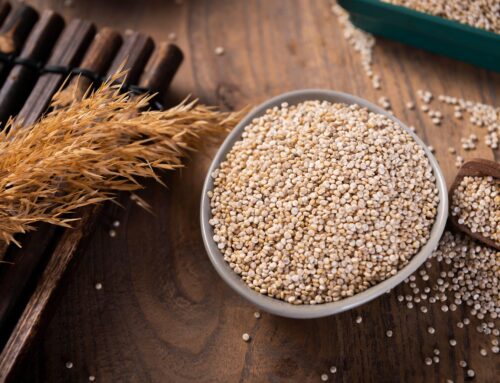
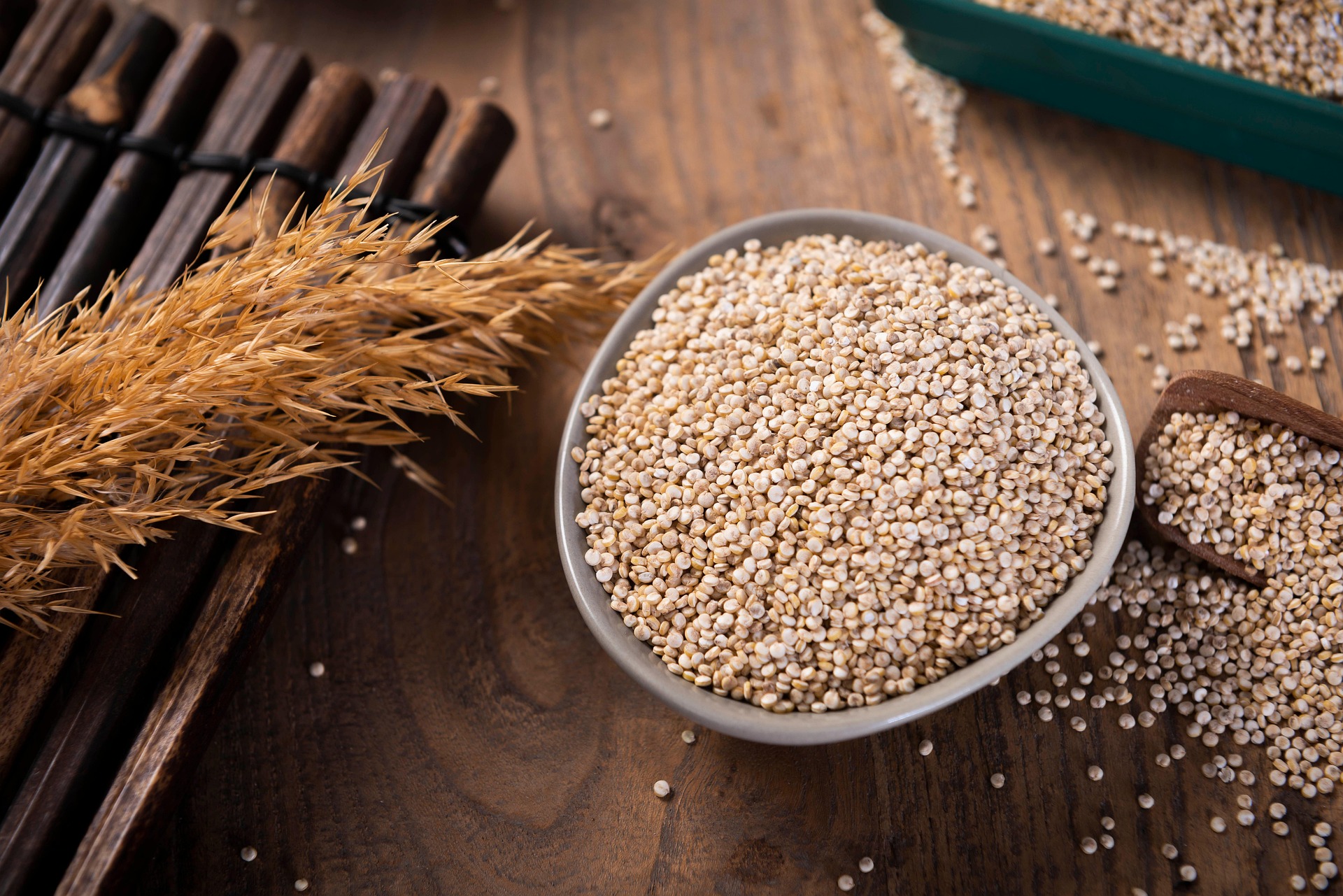
Ancient Grains: Quinoa, millet, sorghum, and amaranth.
-
Traditional Whole Grains: Oats, barley, rye, and spelt.
-
Functional Inclusions: High-fiber seeds (chia, flax) and plant-based proteins.
Operational Advantages for Industrial Bakers
Managing individual grains can lead to inventory complexity and batch-to-batch inconsistency. Pre-designed grain blends from a functional ingredient partner like Thymly Products offer:
-
Consistency at Scale: Uniform particle size and hydration behavior.
-
Simplified Formulation: One ingredient system replaces multiple SKU inputs.
-
Predictable Dough Rheology: Engineered blends ensure stable fermentation and crumb structure.
Whole Grains: Natural Fortification for Clean Labels
Whole grains serve as a “nature-identical” fortification strategy. They allow manufacturers to make source of fiber or protein-enriched claims without relying on synthetic additives—a key requirement for the Clean Label movement.
Nutritional Benefits of Whole Grain Systems:
-
Complex Micronutrients: Naturally occurring vitamins, minerals, and bioactive compounds.
-
Sustained Energy: Lower glycemic index profiles compared to refined flours.
-
Digestive Wellness: High dietary fiber content supporting gut health.
Consumer Trends Driving Grain Innovation
To succeed in the current market, bakery products must align with three core consumer pillars:
1. Functionality Without Complexity
Today’s consumers want foods that support health and wellness—but not at the expense of taste or simplicity. Grain blends allow manufacturers to deliver functional benefits such as fiber, plant protein, and sustained energy using recognizable ingredients rather than long lists of added nutrients. Consumers want “functional foods” that offer protein and fiber through recognizable, transparent ingredients. Grain blends deliver these benefits using familiar cereals rather than chemical fortifications.
2. Sensory and Visual Cues
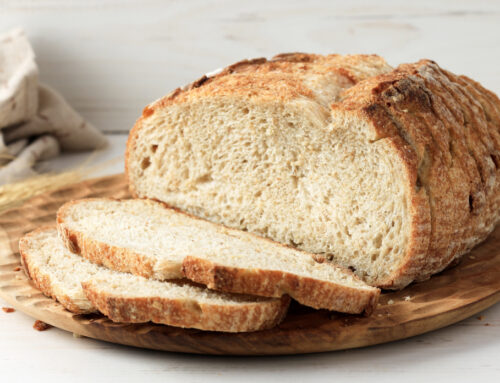
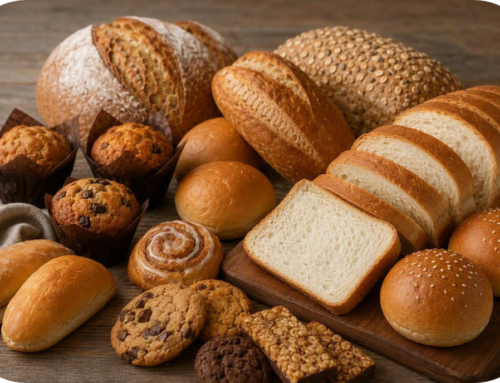
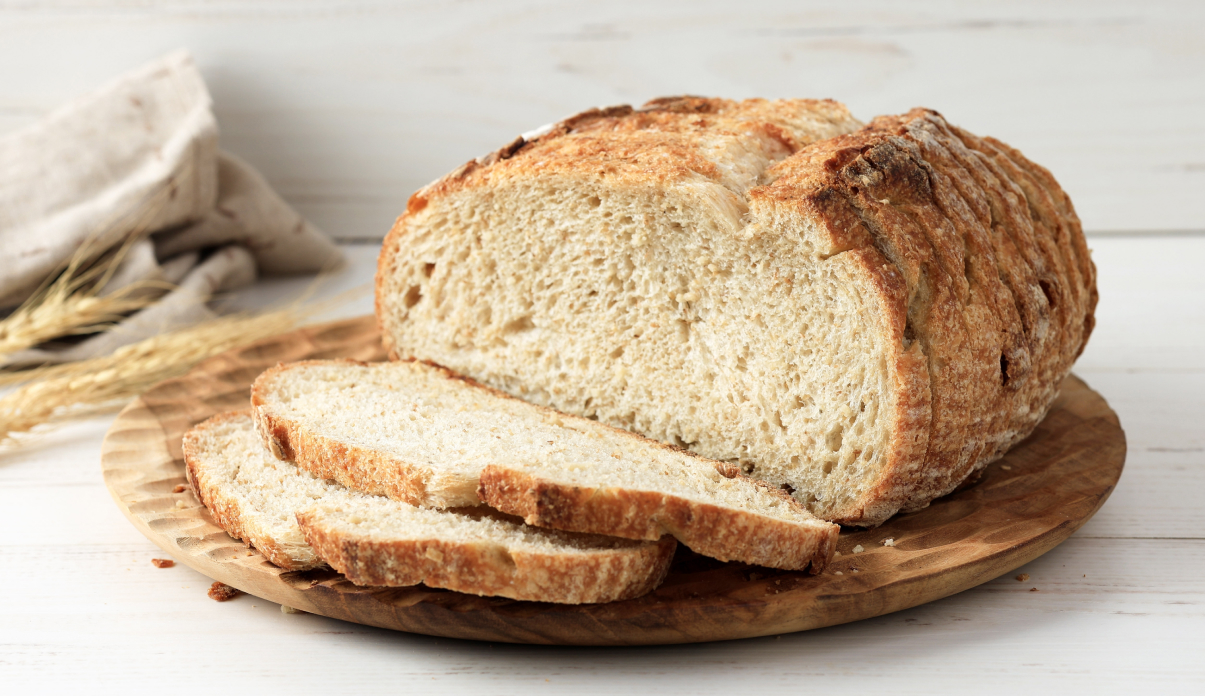
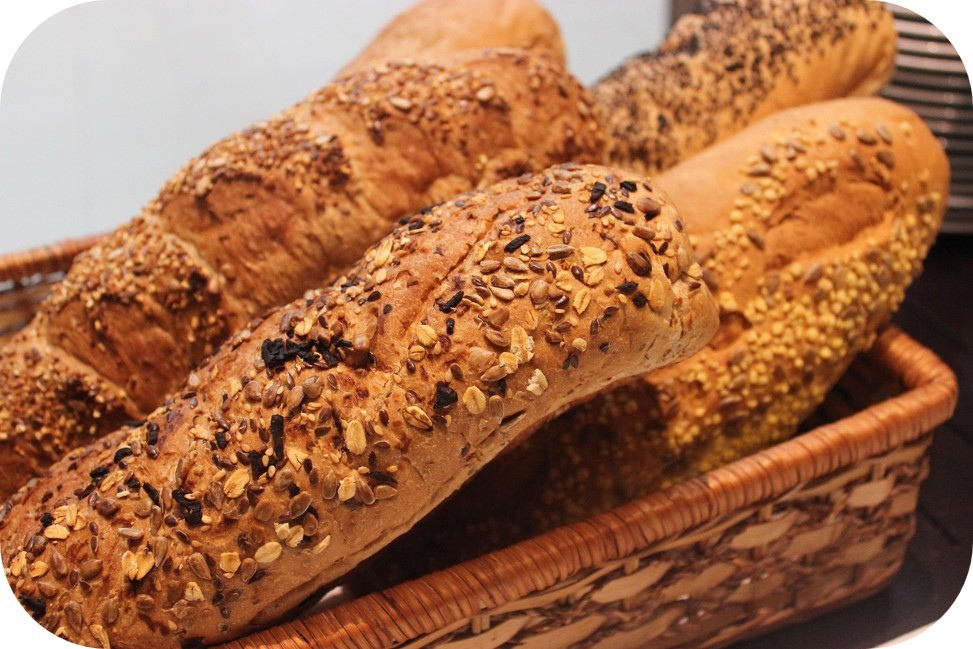
Multigrain breads signal substance and craftsmanship. Visible inclusions, varied textures, and complex flavors reassure consumers that they are choosing a hearty, premium product. Grain blends make it easier to achieve this sensory impact consistently across high-volume production. In the bread aisle, “texture is the new flavor.” Visible seeds and cracked grains act as visual shorthand for quality and craftsmanship, justifying premium price points for multigrain and artisan loaves.
3. Clean Label & Regulatory Compliance
Shoppers increasingly scan labels for ingredients they recognize and trust. Grain blends built from familiar grains, seeds, and cereals support clean-label positioning while offering nutritional depth. When blends are carefully formulated, they can replace multiple individual ingredients with a single, transparent component. With increasing scrutiny on “ultra-processed foods,” grain-forward formulations provide a pathway to SQF-compliant, minimally processed profiles that shoppers trust.
Solving Technical Challenges of Functionality in Grain Blends
While grain blends offer immense benefits, they also introduce technical challenges. Different grains absorb water differently, impact dough rheology, and affect fermentation and shelf life. Without careful formulation, blends can compromise volume, softness, or consistency. Incorporating high concentrations of whole grains can introduce rheological hurdles. Different grains absorb water at varying rates, which can impact:
-
Hydration Levels: Potential for dry or crumbly textures.
-
Gluten Network: Large grain particles can “cut” through the gluten structure, reducing volume.
-
Shelf-Life: Managing water activity ($a_w$) to prevent staling or mold growth.
Thymly Products’ R&D approach solves these issues through enzymatic optimization and customized particle size distribution, ensuring that even the most nutrient-dense bread maintains a soft, appealing crumb.
The Future of Baking: R&D-Driven Innovation
As we look toward the future of the food industry, grain blends will serve as carriers for even more advanced functionality, including:
-
Prebiotic-Enhanced Blends: For targeted microbiome support.
-
Sodium Reduction: Using the nutty, earthy flavors of ancient grains to compensate for lower salt levels.
-
Plant-Forward Solutions: Blending grains with pulses for complete amino acid profiles.
Partner with Thymly Products
Innovation in the baking industry requires a balance of tradition and technology. At Thymly Products, our R&D team works as an extension of your bakery, designing custom grain blends tailored to your specific equipment and nutritional goals.
Ready to innovate your bread line? Contact Thymly Products today to discuss custom grain blending and functional ingredient solutions.